The Importance of Excavation Services for Successful Land Development
Excavation services play a pivotal role in site development. They establish a solid foundation by removing soil and rock, ensuring stability and proper drainage. The quality of these services plays a decisive role in determining project success. Diverse soil conditions pose specific difficulties that can make excavation more complex. Recognizing these elements is crucial for developers. Which key factors must be evaluated to enhance excavation results and protect future construction?
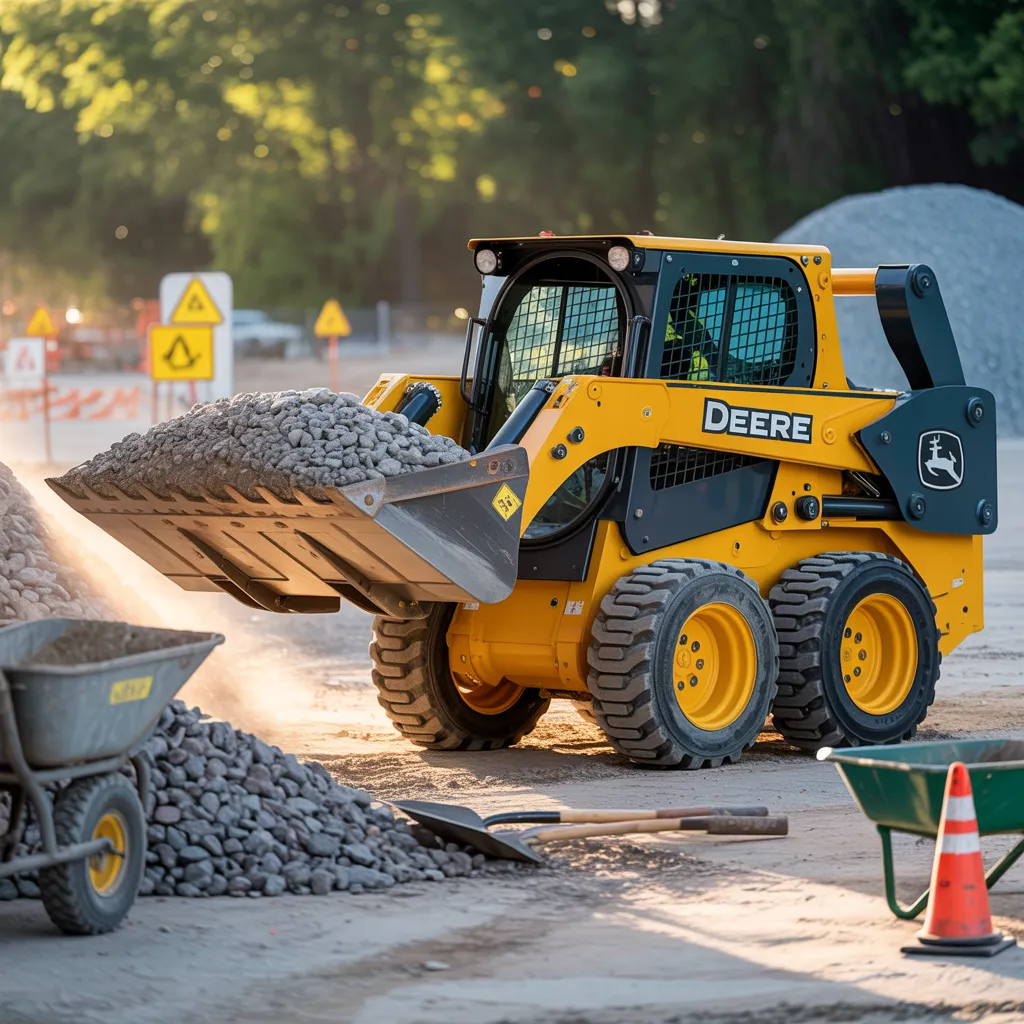
The Significance of Excavation in Land Development
Excavation functions as an essential factor in land development, transforming the terrain for planned construction work. This operation encompasses the elimination of soil and rock to create a suitable base for structures, roadways, and various infrastructure. By accurately surveying the land, excavation crews are able to identify the necessary depth and volume of material to be removed, guaranteeing that the location is ready for its designated purpose.
In addition, excavation plays a crucial role in managing drainage, as it allows for the correct grading of land to avoid water buildup. This not only safeguards structures from potential flooding but also improves the overall usability of the site. Furthermore, excavation enables the installation of critical utilities, such as electricity, gas, and water, by forming trenches and entry points. In summary, excavation is indispensable in establishing a solid foundation for efficient land development, guaranteeing that following construction phases advance smoothly and effectively.
How Excavation Affects Site Preparation
Excavation holds a fundamental importance in site preparation by facilitating thorough soil assessment, which helps determine the viability of the ground for building projects. Analyzing the soil structure allows for well-considered choices regarding foundation requirements and stability. Moreover, effective excavation plays a key role in the development of drainage solutions, promoting efficient water handling and preventing future issues.
Soil Assessment Importance
Though commonly disregarded, soil evaluation holds a vital place in site preparation, as it directly influences excavation strategies and general project outcomes. Comprehending soil makeup, stability, and moisture content allows developers to make informed decisions regarding excavation depth and methods. Distinct soil categories, such as clay, sand, or silt, demonstrate different responses under pressure, influencing the stability of structural foundations. A thorough soil assessment can expose critical concerns, such as contamination or insufficient load-bearing capacity, which could lead to costly delays if not resolved in a timely manner. By pinpointing these variables, excavation services can tailor their approach, ensuring effective and streamlined site readiness that corresponds to development requirements. Ultimately, an in-depth soil evaluation is vital for minimizing risks and supporting a positive project result.
Drainage System Engineering
A thoughtfully structured drainage system is essential to successful site preparation, particularly following a detailed soil assessment. Proper excavation plays a pivotal role in this design, as it ensures that the site's landscape directs water away from structures and limits erosion. During the excavation process, engineers can recognize natural water flow patterns and adjust grading to optimize drainage efficiency. Additionally, soil type and permeability are assessed, guiding the selection of adequate materials for drainage solutions, such as pipes or ditches. Integrating these systems reduces the risk of water accumulation and flooding, which can compromise the integrity of buildings and infrastructure. Ultimately, effective drainage design supports a stable environment, encouraging successful land development and long-term sustainability.
Soil Classifications and Their Effect on Excavation
Distinct soil compositions heavily affect the excavation process, presenting unique challenges and advantages. Clay soil can complicate excavation due to its density and moisture retention, while loose sandy soil typically permits greater ease of movement and water drainage. In contrast, rugged rocky ground can present significant challenges, necessitating the use of specialized tools and methods to work through successfully.
Clay Soil Challenges
Clay soil presents significant challenges for excavation work, greatly affecting land development. Its dense and cohesive nature renders excavation challenging, commonly demanding specialized machinery and techniques. Moisture retention is an additional notable problem; clay soil can become overly saturated, causing structural instability and elevated excavation costs. Moreover, clay's propensity to swell when moist and contract when arid complicates foundation work, elevating the likelihood of settling or fracturing in buildings constructed on this type of soil. Clay's poor drainage characteristics may also delay construction schedules, as builders are required to regulate water levels diligently. Overall, recognizing these obstacles is critical for achieving successful excavation and development initiatives in clay-heavy regions.
Sandy Soil Advantages
While many soil types present unique challenges, sandy soil provides notable benefits for excavation projects. Its particle-based structure allows for superior drainage, minimizing the chance of water accumulation that can complicate excavation efforts. This drainage capability supports quicker project timelines, as operators can proceed with less risk of delays caused by wet conditions. Furthermore, sandy soil is comparatively simple to excavate, requiring less intensive machinery and labor in contrast to heavier soil varieties. The light composition of sandy soil also reduces the chance of equipment becoming lodged or sinking, enhancing operational efficiency. Altogether, these characteristics make sandy soil a favorable option for excavation, contributing to streamlined land development processes and efficient project completion.
Rugged Terrain Considerations
Excavation undertakings commonly present considerable difficulties when addressing rocky terrain. Hard rock formations get going can significantly complicate the excavation process, demanding the use of specialized machinery such as rock drills and hydraulic hammers. Distinct rock varieties, including granite and limestone, range in hardness, influencing excavation time and costs. Moreover, the geotechnical attributes of the rock impact stability and drainage, which are vital for successful land development. Thorough site evaluation is necessary to identify the most effective excavation methods and to prevent delays. Beyond that, rocky terrain can hinder access for heavy machinery, demanding strategic planning to maintain efficiency. In the end, recognizing the implications of rocky soil types is essential for effective excavation and long-term project success.
The Importance of Proper Drainage in Excavation Projects
Proper drainage is a critical element in excavation work, as it greatly influences the integrity and lifespan of the land being developed. Well-designed drainage systems prevent water accumulation, which can cause structural instability, soil degradation, and foundation compromise. Throughout the excavation process, water management is critical to maintain ideal soil conditions, facilitating proper compaction and ground stability.
In addition, inadequate drainage can contribute to excess water buildup, creating hazards for machinery and disrupting construction schedules. Installing efficient drainage solutions, such as grading the terrain and laying drainage pipes, assures that water is channeled away from essential areas. This preventive measure not only protects investments but also improves the overall safety of the job site.
In addition, adequate drainage minimizes environmental effects by regulating runoff, consequently safeguarding the neighboring ecosystems. In conclusion, incorporating efficient drainage solutions into excavation projects is critical for ensuring successful land development and securing long-term sustainability.
Frequent Excavation Challenges and Effective Solutions
Navigating the challenges of excavation projects often presents various challenges that require careful planning. A frequent challenge is unforeseen ground conditions, such as rock or contaminated materials, which can slow timelines and increase expenses. To address this concern, comprehensive site assessments and ground analysis are essential for accurate planning.
An additional concern is addressing water accumulation, which can disrupt workflows and generate safety concerns. Implementing effective drainage systems and dewatering techniques can address this issue.
Moreover, access constraints at the site can hinder the transport of equipment and delivery of materials. Solutions include careful site layout planning and utilizing smaller machinery when necessary.
Finally, coordinating with utility services is critical, as unidentified lines can lead to dangerous situations and costly interruptions. Engaging with utility companies during the planning phase helps map out existing utility networks. By addressing these concerns proactively and applying suitable methods, excavation teams can facilitate smoother project execution and successful land development.
The Connection Between Excavation and Foundation Stability
Proper excavation establishes the foundation for structural stability, directly influencing the integrity and longevity of structures. The excavation process involves careful site preparation, involving soil extraction and leveling to secure a uniform surface. Properly executed excavation mitigates risks such as soil erosion and settlement, which can compromise foundation stability.
In addition, the kind of soil discovered during digging plays a critical role; adhesive soils, for one thing, present different bearing qualities compared to granular soils. Geotechnical engineers use excavation data to determine structural load capacity and design structural foundations in response.
The inability to carry out comprehensive excavation has the potential to cause structural instability, surface cracks, and eventual foundation collapse. Therefore, a strong connection exists between proper excavation practices and the lasting stability of a structure's foundation. Maintaining rigorous excavation standards is fundamental to upholding the long-term stability of any building initiative.
Key Excavation Services That Drive Project Excellence
Excavation services hold a vital place in the outcome of every land development endeavor. Of the critical services involved, site preparation is indispensable, making certain the land is properly cleared and leveled before construction begins. Grading services are subsequently performed, enhancing water runoff and forming a reliable base for structural foundations. In addition, trenching plays a crucial role in setting up utilities such as water, electrical, and sewage infrastructure, laying the groundwork for future infrastructure.
Moreover, earthmoving solutions assist with the extraction of unnecessary soil or rock, contributing to achieving the intended site profiles. These operations not only strengthen accessibility but also advance environmental sustainability by controlling soil erosion and protecting natural habitats. Finally, backfilling is required to reinstate the land after construction, guaranteeing stability and safety. Combined, these excavation services build a robust foundation for productive land development, reducing risks and enhancing efficiency across the project lifecycle.
How to Select the Top Excavation Contractor
Choosing the most suitable excavation contractor is essential for confirming that the foundation work completed during land development satisfies the project's requirements and benchmarks. To proceed, potential clients should assess the contractor's knowledge and proficiency in related endeavors, as a proven track record indicates reliability. Verifying licenses and insurance is necessary; these certifications protect both the contractor and the client from possible risks.
In addition, obtaining numerous bids allows you to assess industry pricing and guarantees cost-effective rates. Testimonials and references from previous clients offer valuable information about the contractor's work quality and professionalism. Evaluating their equipment and technology can also reveal their competence in handling individual project challenges efficiently.
To conclude, effective communication is essential; a specialist who attends to and handles worries encourages a teamwork-oriented setting. By evaluating these aspects, clients can make an informed decision, thereby ensuring positive land development achievements.
Frequently Asked Questions
What Types of Equipment Are Commonly Used in Excavation Projects?
Excavation work frequently makes use of bulldozers, backhoes, excavators, dump trucks, and skid steers. These pieces of equipment effectively displace soil, remove debris, and ready work sites, facilitating solid foundations for future construction and land development endeavors.
How Long Does the Excavation Process Typically Take?
The excavation procedure generally requires between a few days and several weeks, based on project size, soil conditions, and equipment used. Thorough preparation and weather conditions play a major role in determining the timeline of excavation projects.
Do Excavation Projects Require Permits?
Yes, permits are typically required for excavation work. Rules differ depending on the location, but securing the required permits guarantees conformity with local ordinances, safety standards, and environmental considerations, which ultimately leads to smoother project completion and lowering the risk of legal problems.
What Safety Protocols Are Implemented During Excavation?
Throughout digging, safety measures consist of site evaluations, adequate signage, safety equipment for personnel, inspection of equipment, trench reinforcement, and hazard surveillance. Such safety measures serve to prevent accidents and guarantee a safe work setting.
In What Ways Can Weather Influence Excavation Timelines?
Environmental weather conditions, such as rain, snow, or extreme temperatures, can greatly delay excavation timelines. Wet soil may become unstable, while frozen ground can impede machinery, ultimately prolonging project completion and increasing costs for contractors.